
2026-08-21

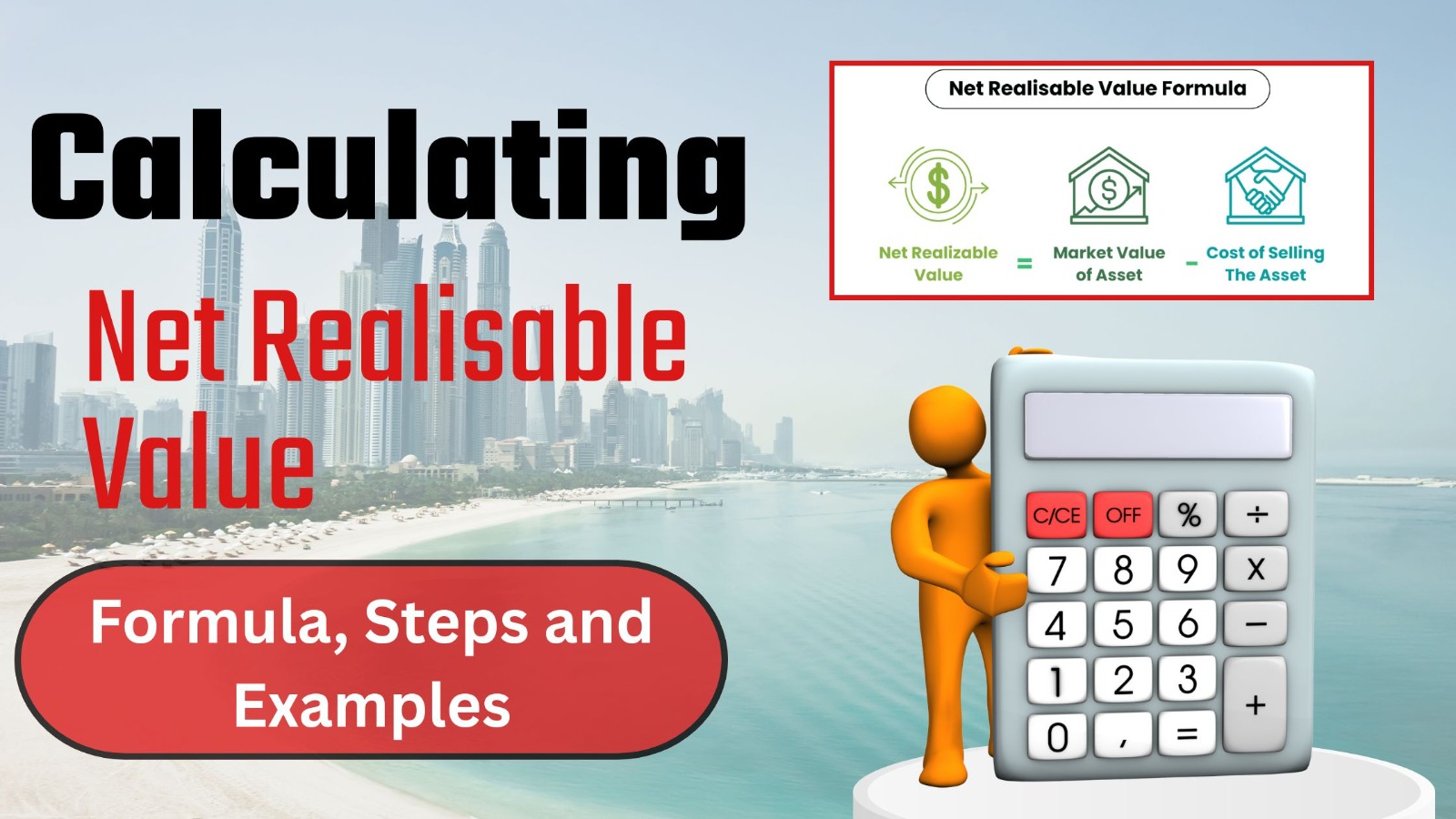
Net Realisable Value (NRV) is an important inventory valuation concept in accounting, ensuring that the value of inventory is reported at the amount expected to be realised when the item is sold. NRV ensures that the value of inventory isn’t overstated on the financial statements, as some items may need excess time and materials to complete them or be sold less than cost.
The purpose of this guide is to provide you with the formula, a clear step-by-step methodology for calculating NRV, and examples and journal entries that you can utilise in your own calculations.
To assess historical inventory values, an item and/or group of similar items, as well as to determine whether the NRV for an individual or group of items is less than the cost; and in determining any write-downs on any damaged, obsolete or slow-moving inventory.
Assuming that the write-down amount is material, you must disclose the method used to determine the write-down and include the write-down in the notes.
Inventories are recognised in the financial statements at the lower of cost and their estimated net realisable value. When inventory is subsequently measured at NRV, the amount of the write-down is recognised as an expense in profit or loss (as ‘write-downs’ or included in the cost of sales) depending on presentation.
If conditions change (i.e. the market price of the inventory recovers), a reversal of the write-down to the extent of the original write-down is allowable (treatment of the reversal will depend on the accounting framework used). In all cases, please refer to the applicable standard, and if material, disclose the nature and amount of any write-down or reversal.
This is a very basic checklist for determining the NRV. First you need to establish the expected sales price (i.e. real market value). Then subtract your costs of completion, next, the selling costs (commissions, delivery, and disposal) go in the final calculation. Finally, you compare your NRV versus your cost and record the lower amount on the balance sheet if NRV < Cost.
Once you’ve completed the calculations, record your journal entry to reflect the loss, as well as maintain a backup of the calculations and disclose the write-down amount if significant.
In conclusion, although NRV is a simple concept overall, it is an essential practice in ensuring proper valuation of Inventory to ensure that the Inventory is not overvalued, and losses due to completion, selling (commission and delivery), and market decline are recorded promptly. Stick to this process for consistent groupings and measurements; calculate NRV on an SKU basis if in doubt, document your calculations, and disclose any material losses or write-downs. For businesses seeking expert support, professional accounting services in UAE can assist in applying NRV principles correctly in line with applicable accounting standards.
With over 25 years in Dubai and nearly 30 years as a Chartered and Management Accountant, Hemant has extensive experience across manufacturing, services and technology sectors. He has worked with major corporate groups including Al Tayer, Saif Al Ghurair, Dhabi, and Aditya Birla. Hemant specializes in profitability and cost management, debt restructuring, contract management, and regulatory compliance, having generated approximately USD 47.5 million in savings and profit growth. A confident public speaker and Distinguished Communicator, he lives by the quote: “You get what you reward for. If you want ants to come, you put sugar on the floor” (Charlie Munger), embodying his belief that “Profit has its own intelligence.”


With over 25 years in Dubai and nearly 30 years as a Chartered and Management Accountant, Hemant has extensive experience across manufacturing, services and technology sectors. He has worked with major corporate groups including Al Tayer, Saif Al Ghurair, Dhabi, and Aditya Birla. Hemant specializes in profitability and cost management, debt restructuring, contract management, and regulatory compliance, having generated approximately USD 47.5 million in savings and profit growth. A confident public speaker and Distinguished Communicator, he lives by the quote: “You get what you reward for. If you want ants to come, you put sugar on the floor” (Charlie Munger), embodying his belief that “Profit has its own intelligence.”

Archana Mundhra is a qualified Chartered Accountant with over 15 years of experience in multinational corporations. Her proficiency lies in financial planning and business intelligence. Her deep financial understanding and profound analytical skills empower her to assist management in realizing their objectives effectively.

Rinkle Jain is a qualified Chartered Accountant and Fellow Member of the Institute of Chartered Accountant of India. A results-driven Chartered Accountant with a distinguished career marked by proficiency in management, financial planning, and catalyzing overall company development.Demonstrates a unique blend of financial acumen, strategic insight, and leadership prowess, contributing significantly to organizational success.
test