2026-09-09

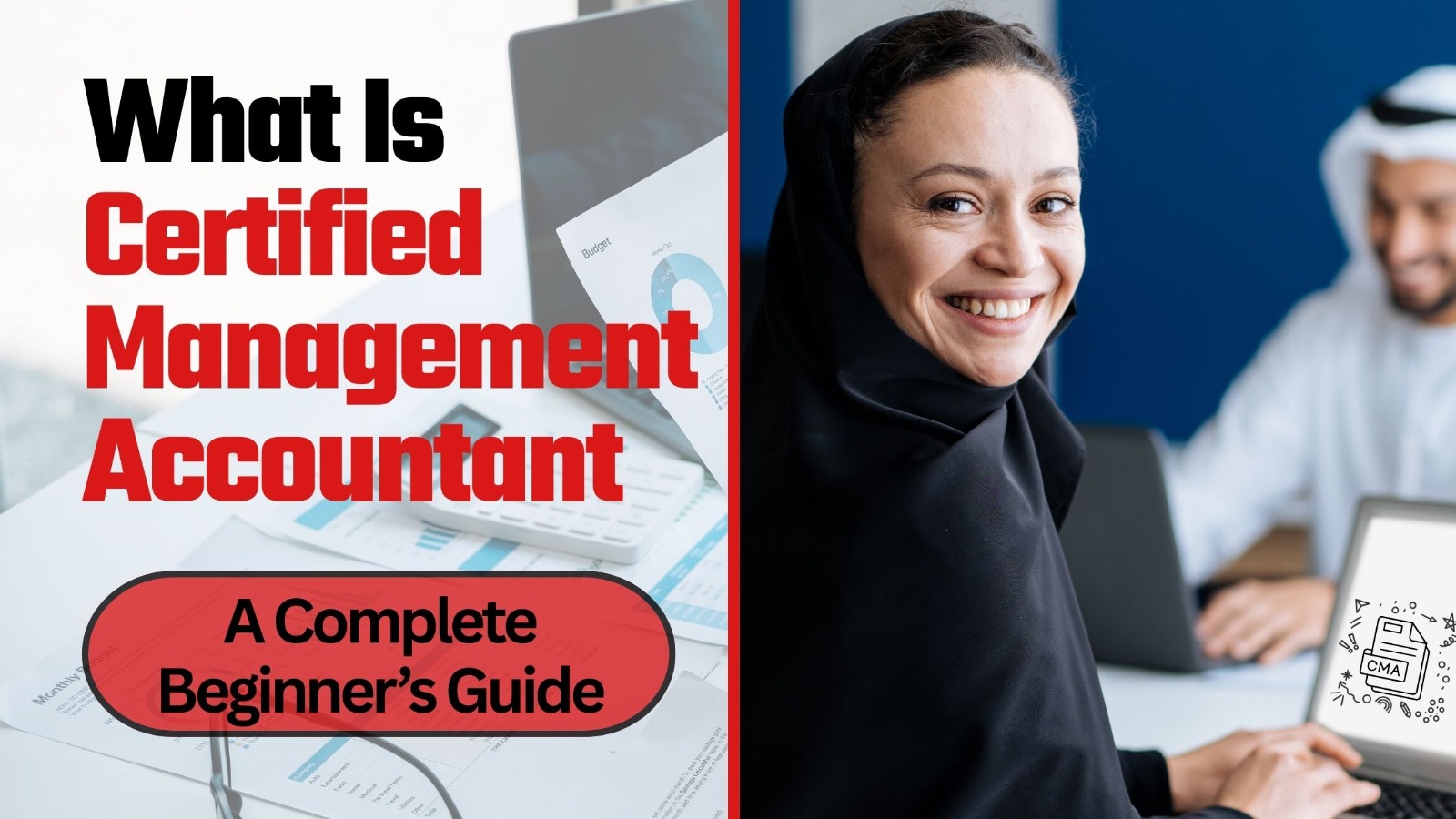
The CMA designates that a person is a Financial Manager and is very experienced in budgeting, controlling, performing analysis, supporting management, and exhibiting professionalism. A person holding the CMA has demonstrated through their education that they are highly skilled in Managerial Accounting and Financial Management. The CMA is recognized worldwide, and most of those who have pursued the CMA have done so through the IMA (Institute of Management Accountants) in the United States. Australia has a similar designation called the CMA that is issued by the Institute of Certified Management Accountants (ICMA). The IMA version of the CMA is the designation many people pursue internationally as it has been established the longest in the industry.
Due to the increased focus on using data to make decisions and leading strategies through Finance, companies have found great value in having CMAs to communicate financial realities and how they relate to Management and the organization.
Individuals seeking employment as a financial analyst, management accountant, finance manager, budget manager, and chief financial officer often choose to pursue the CMA credential.
When compared with other finance credentials like the CPA (Certified Public Accountant), there are some differences in focus. Whereas a CPA credential emphasizes public accounting, audits and taxes; a CMA focuses on the management aspects of accounting (management accounting), the strategic side (financial strategy) and the planning and decision-making process.
While the CPA is required to perform regulated public work, the CMA is designed specifically for corporate finance leaders.
1) Education: Must have a bachelor’s degree or its equivalent from an accredited college or university;
2) IMA Membership: Must become an IMA member before taking the CMA exams;
3) Exam: Must pass both parts of the CMA exam;
4) Experience: Must have at least 2 years of relevant professional experience in management accounting & bookkeeping services in Dubai (either prior to or within 7 years after passing the exam).
After obtaining their CMA certification, CMAs are required to continue their professional education (CPE) in order to maintain their certification.
The CMA exam consists of two parts covering key areas of management accounting and financial decision-making.
Topics include:
Topics include:
Each part is typically 4 hours long and contains 100 multiple-choice questions and two essay questions.
Preparing for the CMA requires a structured study plan:
Pursuing a CMA requires financial and time investment:
Overall, CMA is considered a cost-effective certification relative to its career impact.
The Certified Management Accountant (CMA) program is designed for individuals working in diverse areas, including (but not limited to) the following positions:
• Financial Controller
• Management Accountant
• Budget Manager
• Senior Financial Analyst
• Director of Finance
• Chief Financial Officer (CFO) – only with experience
It is noted that Certified Management Accountants (CMAs) typically earn more than their non-certified counterparts. Surveys show a considerable salary differential for CMAs, which indicates employers recognize and place value on their ability to have a strategic financial mindset.
In India, a CMA will generally earn a respectable salary based on their industry, work experience and job function.
1. Worldwide Recognition – CMA designation is recognized in over 100 countries around the world.
2. Strategic Skill Development – provides knowledge and expertise in the areas of controlling, planning and decision support.
3. Career Mobility – provides an opportunity to advance in the corporate finance and leadership roles around the world.
4. Career Networking Opportunities – opportunities to join and learn from the IMA global community and attend events regularly.
5. Higher Earning Potential than Professionals Without the CMA designation.
If you are looking for a career that is more than traditional accounting and leads into finance, management, and strategic financial planning, then you should consider the CMA designation as an excellent return on investment. A CMA not only provides you with a credible certificate that proves you have the necessary knowledge and skills to be a successful financial leader, but it can be used to help you advance in your career, both internationally and within your own industry. The CMA will also be a great reference for you if you decide to continue your education after obtaining your CMA designation.
A Certified Management Accountant (CMA) is a finance professional with expertise in management accounting, financial planning, budgeting, cost management, performance analysis, and strategic decision-making. The CMA credential demonstrates strong skills in financial management and leadership support within organizations.
The CMA is ideal for finance professionals aiming for strategic or leadership roles, MBAs or business graduates seeking specialized financial credentials, accountants transitioning into corporate finance, budgeting or performance analysis, and individuals seeking global or multinational career opportunities.
While the CPA focuses on public accounting, audits, and taxation, the CMA emphasizes management accounting, financial strategy, planning, and decision-making. CMA is designed for corporate finance leaders, whereas CPA is required for regulated public accounting roles.
To earn the CMA, candidates must hold a bachelor’s degree, become an IMA member, pass both parts of the CMA exam, and complete at least two years of relevant professional experience in management accounting or financial management. Ongoing continuing professional education (CPE) is also required.
The CMA exam has two parts. Part 1 covers financial planning, budgeting, cost management, performance management, internal controls, and analytics. Part 2 focuses on financial statement analysis, corporate finance, decision analysis, risk management, investment decisions, and professional ethics.
Yes, the CMA is considered a high-value certification due to its global recognition, strategic skill development, higher earning potential, and career mobility. It is especially beneficial for professionals seeking leadership roles in corporate finance and multinational organizations.
With over 25 years in Dubai and nearly 30 years as a Chartered and Management Accountant, Hemant has extensive experience across manufacturing, services and technology sectors. He has worked with major corporate groups including Al Tayer, Saif Al Ghurair, Dhabi, and Aditya Birla. Hemant specializes in profitability and cost management, debt restructuring, contract management, and regulatory compliance, having generated approximately USD 47.5 million in savings and profit growth. A confident public speaker and Distinguished Communicator, he lives by the quote: “You get what you reward for. If you want ants to come, you put sugar on the floor” (Charlie Munger), embodying his belief that “Profit has its own intelligence.”


With over 25 years in Dubai and nearly 30 years as a Chartered and Management Accountant, Hemant has extensive experience across manufacturing, services and technology sectors. He has worked with major corporate groups including Al Tayer, Saif Al Ghurair, Dhabi, and Aditya Birla. Hemant specializes in profitability and cost management, debt restructuring, contract management, and regulatory compliance, having generated approximately USD 47.5 million in savings and profit growth. A confident public speaker and Distinguished Communicator, he lives by the quote: “You get what you reward for. If you want ants to come, you put sugar on the floor” (Charlie Munger), embodying his belief that “Profit has its own intelligence.”
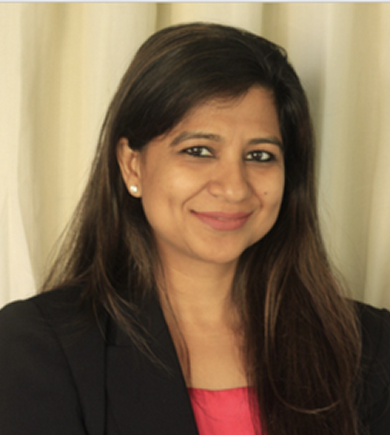
Archana Mundhra is a qualified Chartered Accountant with over 15 years of experience in multinational corporations. Her proficiency lies in financial planning and business intelligence. Her deep financial understanding and profound analytical skills empower her to assist management in realizing their objectives effectively.

Rinkle Jain is a qualified Chartered Accountant and Fellow Member of the Institute of Chartered Accountant of India. A results-driven Chartered Accountant with a distinguished career marked by proficiency in management, financial planning, and catalyzing overall company development.Demonstrates a unique blend of financial acumen, strategic insight, and leadership prowess, contributing significantly to organizational success.
test