
At first glance, the business appeared modest in scale. In reality, it was a high-value, expertise-driven consultancy, where nearly the entire revenue translated into profit for the owner. In such structures, accounting is not a volume exercise—it is a risk, compliance, and income-protection function.
Before the engagement, financial records existed, but transaction classification, chart of accounts design, and compliance linkage were weak. Given the nature of Free Zone operations, VAT exposure, regulatory scrutiny, and future Corporate Tax and AML obligations, this created disproportionate risk for a single-shareholder business where every error directly impacts the owner.
The client needed more than bookkeeping. They needed discipline, structure, and certainty.
Key Challenges Identified
Engagement Objectives
A bespoke chart of accounts was designed to reflect the true nature of the business, enabling:
This ensured that compliance was designed into the accounting system, not addressed after the fact.
Recognising the client’s multi-role involvement in operations, delivery, and revenue generation, the accounting framework was built to:
The result was a system that worked silently in the background, without distracting the owner from revenue-generating activity.
The accounting and documentation framework was aligned to support:
This eliminated fragmentation across compliance regimes and created one coherent source of financial truth.
Quantifiable Outcomes
Qualitative Outcomes
Strategic Takeaway
In high-margin, expertise-led businesses, accounting is not about cost control, it is about income protection and regulatory insulation. The smaller the team and the higher the margins, the greater the impact of even minor compliance failures.
This engagement demonstrates that for single-shareholder consultancies, precision beats scale, and disciplined accounting is a strategic asset—not an overhead.
If your business:
Then your risk exposure is likely higher than it appears. The solution lies not in more effort, but in better structure. Proper Accounting is just the beginning point.

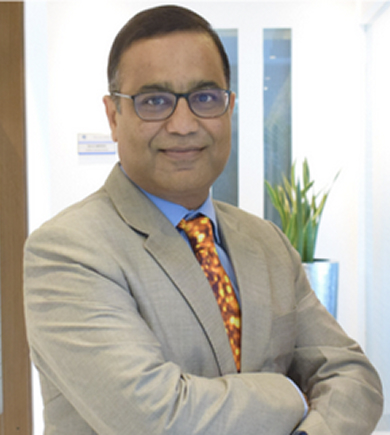
With over 25 years in Dubai and nearly 30 years as a Chartered and Management Accountant, Hemant has extensive experience across manufacturing, services and technology sectors. He has worked with major corporate groups including Al Tayer, Saif Al Ghurair, Dhabi, and Aditya Birla. Hemant specializes in profitability and cost management, debt restructuring, contract management, and regulatory compliance, having generated approximately USD 47.5 million in savings and profit growth. A confident public speaker and Distinguished Communicator, he lives by the quote: “You get what you reward for. If you want ants to come, you put sugar on the floor” (Charlie Munger), embodying his belief that “Profit has its own intelligence.”
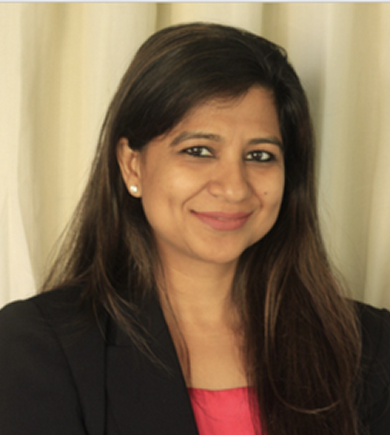
Archana Mundhra is a qualified Chartered Accountant with over 15 years of experience in multinational corporations. Her proficiency lies in financial planning and business intelligence. Her deep financial understanding and profound analytical skills empower her to assist management in realizing their objectives effectively.
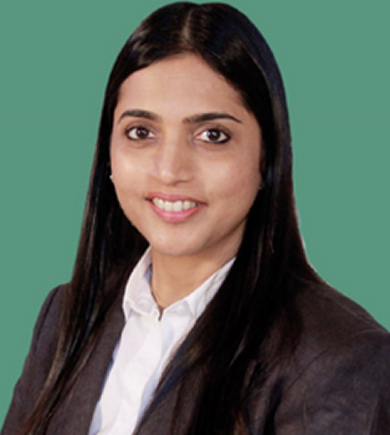
Rinkle Jain is a qualified Chartered Accountant and Fellow Member of the Institute of Chartered Accountant of India. A results-driven Chartered Accountant with a distinguished career marked by proficiency in management, financial planning, and catalyzing overall company development.Demonstrates a unique blend of financial acumen, strategic insight, and leadership prowess, contributing significantly to organizational success.
test