2026-07-18

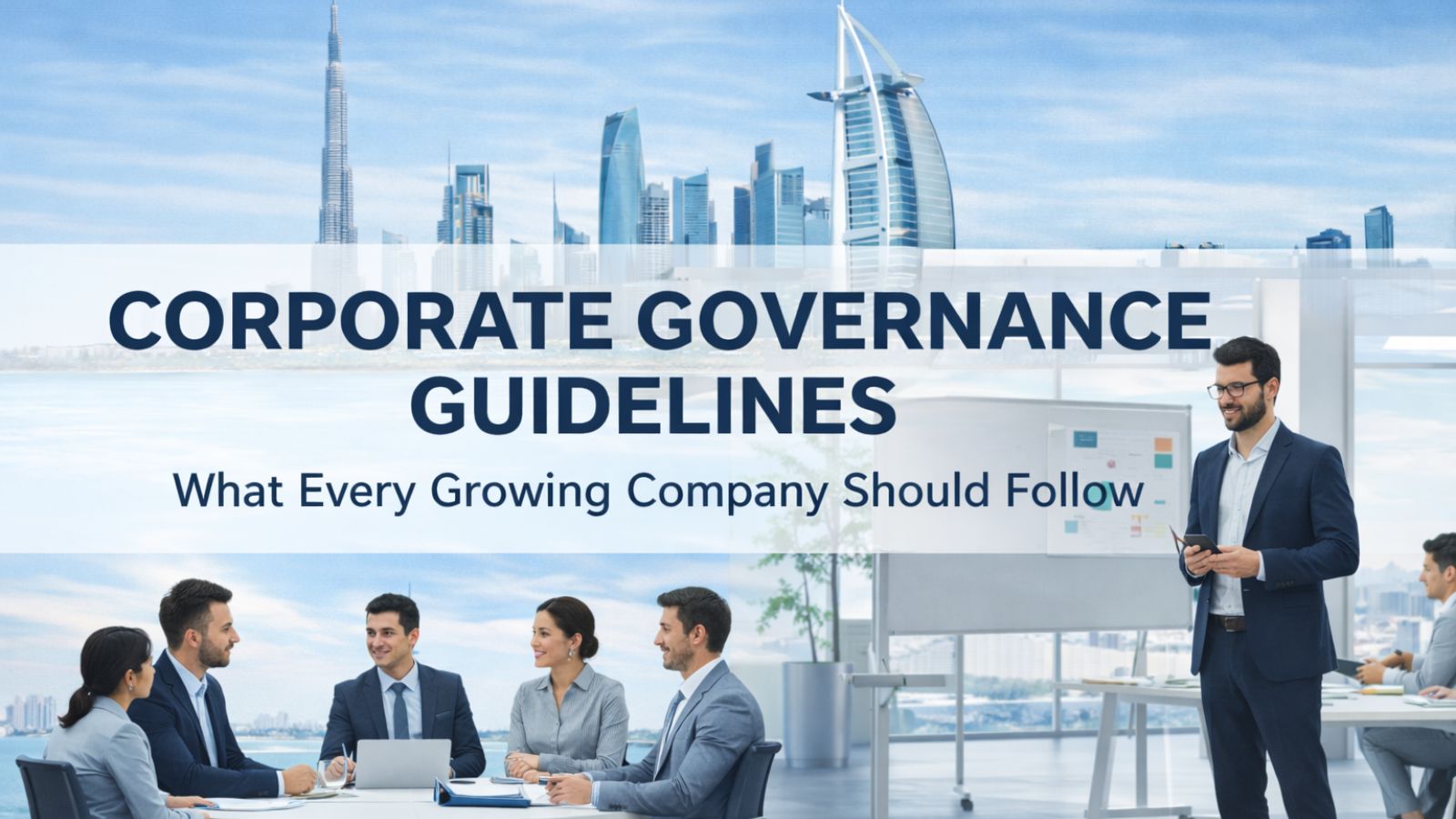
Corporate governance refers to the framework of systems, controls, and processes through which a company is directed and managed. It defines how the organization interacts with its shareholders, board of directors, management, regulators, and other stakeholders while ensuring accountability, transparency, and ethical conduct. One area where this has direct implications is in the financial sector, where entities have accepted public liabilities in order to fulfill various contractual obligations, and therefore have a fiduciary relationship with others and a greater duty to protect the interests of all stakeholders.
As companies grow, and consequently increase both in the scale of their operations and the complexity of the regulatory framework that they must comply with, as well as their structures and levels of authority and responsibility of management, what was once sufficient for a small company led by a founder may not be sufficient for a larger company that has many different stakeholders, investors, customers, and regulatory requirements.
The purpose of corporate governance is to provide a comprehensive framework defining how a company is directed, controlled, and held accountable for the manner in which it conducts itself as a business. Companies have come to the conclusion that effective governance is no longer optional for a growth-stage company; it is now essential to building a great reputation, managing risk, and sustaining revenue and profits through a long period of time.
Every growing company should define a formal governance structure that outlines roles, responsibilities, and decision-making authority. This includes the board of directors, executive leadership, and key committees such as audit, risk, and compliance. A clearly defined structure prevents role ambiguity, reduces operational friction, and ensures accountability at all levels. The board should include independent directors who bring external perspective, industry expertise, and objective oversight to management decisions.
Clear delineation between ownership, board oversight, and management execution is a foundational governance principle. Founders and executives must avoid concentration of unchecked authority by defining who is responsible for strategy, financial oversight, risk management, and operational execution. Documented charters, delegation of authority frameworks, and role descriptions help institutionalize accountability and ensure continuity as leadership evolves.
Financial transparency is critical for investor confidence, regulatory compliance, and internal decision-making. Growing companies must establish strong internal controls, independent audits, budgeting processes, and financial reporting mechanisms. Regular financial reviews by the board, audit committees, and external auditors help detect risks early, prevent fraud, and ensure accurate representation of financial performance. Sound financial governance also supports capital raising and strategic partnerships.
As companies expand, their exposure to legal, operational, cybersecurity, and reputational risks increases. A structured risk management framework enables leadership to identify, assess, and mitigate risks proactively. Compliance policies should cover regulatory requirements, data protection, industry standards, and ethical conduct. Regular risk assessments, internal audits, and compliance reviews ensure the organization remains resilient in a dynamic regulatory environment.
Corporate governance is deeply tied to organizational culture. Leadership must set the tone from the top by demonstrating ethical behavior, transparency, and accountability. A formal code of conduct, whistleblower policy, and conflict-of-interest framework reinforces integrity across the organization. When employees trust leadership and governance processes, organizations experience stronger engagement, reduced misconduct, and improved long-term performance.
Transparent communication with shareholders, employees, regulators, and business partners builds trust and credibility. Growing companies should establish formal reporting mechanisms, investor communications, and disclosure practices. Regular updates on strategy, performance, risks, and governance practices help stakeholders make informed decisions and reinforce organizational legitimacy in the market.
An effective board provides an organization with a strategic advantage as the organization grows. The makeup of your board should mirror the diversity in skill sets, experiences and viewpoints that align with the growth plan for your organization. Independent directors provide independent oversight & raise issues with management when appropriate, thereby improving the overall quality of governance. Continuous evaluation, training, and succession planning of the board will help maintain effective governance over the life of the organization.
As an organization grows, the governance framework must change. Policies, controls, and reporting structures that work for a startup will not necessarily remain effective in larger organizations. Organizations should periodically review their existing governance policies and processes to ensure that they are consistent and appropriate given the size of the organization, geographic expansion, regulatory exposure of the corporation, and complexity of the organization. The establishment of scalable governance creates a structure that supports long-term development without adding unnecessary bureaucracy.
As businesses expand in today’s complex regulatory environment, building a strong governance structure becomes critical for long-term sustainability. The Total CFO works closely with growing organizations to design and implement structured governance frameworks that enhance transparency, strengthen financial oversight, and clearly define roles and accountability across leadership teams. With deep expertise in corporate governance advisory UAE, the firm helps companies align their governance practices with regulatory expectations while supporting strategic growth objectives.
From establishing board structures and financial controls to improving risk management and compliance processes, The Total CFO provides practical, scalable solutions tailored to each organization’s stage of development. Their advisory approach goes beyond compliance by focusing on investor confidence, operational resilience, and sustainable value creation. By embedding strong governance principles early, businesses are better positioned to manage risk, attract stakeholders, and achieve long-term performance stability.
Corporate governance is not simply about compliance; it is a strategic driver of sustainable growth, investor confidence, and organizational resilience. By implementing transparent systems of governance, enhancing financial and risk oversight, creating ethical leaders, and ensuring other forms of transparency, organizations that are experiencing growth can preserve stakeholder value, while also accelerating their performance. Organizations that embed governance effectively early in their cycle will be in a better position to develop responsibly, navigate through uncertainty and develop long-term sustainability.
Corporate governance is the framework of rules, systems, and processes by which a company is directed and controlled. For growing companies, it ensures accountability, transparency, and ethical decision-making while protecting stakeholder interests. Strong governance reduces risk, enhances investor confidence, and supports long-term sustainable growth.
A company should begin formalizing governance structures as soon as it starts scaling operations, raising external capital, expanding geographically, or facing increased regulatory requirements. What works for a founder-led startup often becomes insufficient for a multi-stakeholder organization.
The key pillars include a clear governance structure, defined roles and accountability, strong financial oversight, risk management and compliance frameworks, ethical leadership, transparent stakeholder communication, a diverse and independent board, and scalable governance policies.
Strong governance improves financial discipline, enhances internal controls, reduces fraud risk, and supports better strategic decision-making. This builds investor confidence, facilitates capital raising, and ensures sustainable profitability over time.
The board provides strategic direction, oversight of management, financial supervision, and risk governance. Independent directors bring objectivity and industry expertise, ensuring balanced decision-making and protecting stakeholder interests.
Corporate governance advisory firms help design governance frameworks, establish board structures, implement financial controls, strengthen risk management systems, and ensure regulatory compliance. They provide scalable solutions aligned with the organization’s growth stage and strategic objectives.
With over 25 years in Dubai and nearly 30 years as a Chartered and Management Accountant, Hemant has extensive experience across manufacturing, services and technology sectors. He has worked with major corporate groups including Al Tayer, Saif Al Ghurair, Dhabi, and Aditya Birla. Hemant specializes in profitability and cost management, debt restructuring, contract management, and regulatory compliance, having generated approximately USD 47.5 million in savings and profit growth. A confident public speaker and Distinguished Communicator, he lives by the quote: “You get what you reward for. If you want ants to come, you put sugar on the floor” (Charlie Munger), embodying his belief that “Profit has its own intelligence.”


With over 25 years in Dubai and nearly 30 years as a Chartered and Management Accountant, Hemant has extensive experience across manufacturing, services and technology sectors. He has worked with major corporate groups including Al Tayer, Saif Al Ghurair, Dhabi, and Aditya Birla. Hemant specializes in profitability and cost management, debt restructuring, contract management, and regulatory compliance, having generated approximately USD 47.5 million in savings and profit growth. A confident public speaker and Distinguished Communicator, he lives by the quote: “You get what you reward for. If you want ants to come, you put sugar on the floor” (Charlie Munger), embodying his belief that “Profit has its own intelligence.”
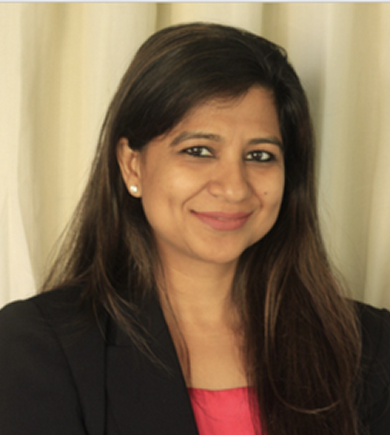
Archana Mundhra is a qualified Chartered Accountant with over 15 years of experience in multinational corporations. Her proficiency lies in financial planning and business intelligence. Her deep financial understanding and profound analytical skills empower her to assist management in realizing their objectives effectively.

Rinkle Jain is a qualified Chartered Accountant and Fellow Member of the Institute of Chartered Accountant of India. A results-driven Chartered Accountant with a distinguished career marked by proficiency in management, financial planning, and catalyzing overall company development.Demonstrates a unique blend of financial acumen, strategic insight, and leadership prowess, contributing significantly to organizational success.
test