

2026-03-20

Struggling with Cash Flow? Gain Financial Stability with Accounting Services in the UAE
2026-03-19

Cash flow problems are rife in businesses in the UAE, with 53% B2B payments delayed for an average 70 days. While 94% of SMEs and startups make for about 50% of the non-oil GDP, they often face liquidity pressure, struggling to pay salaries, manage rent, or manage day-to-day operations.
Steady cashflow can make a business run optimally, while lack of it can create several challenges. A study shows that 60% of businesses in the UAE grapple with cashflow issues created by delayed payments, rising operational costs, and limited financial oversight.
Cash flow issues can quickly escalate into disruptions, increased short-term borrowing, strained vendor relationships, and in severe cases, operational shutdown. Nevertheless, with structured financial planning and establishing control over receivables, these situations can be averted.
This article will help you learn about cash flow and how professional accounting services in the UAE can help you stabilize your cash flow with proper financial planning.
Cash flow is the movement of money in and out of a business over a specific period. It includes cash received from your customers (inflows) and cash spent on expenses such as salaries, rent, inventory, and supplier payments (outflows).
Cash flow can be classified into three types:
Operating Cash Flow: This cash flows in from your core business activities, including sales revenue and day-to-day expenses. This is the most critical indicator of financial health.
Investing Cash Flow: Cash used for or earned from investments, for example, purchasing equipment, assets, or selling investments.
Financing Cash Flow: This cash is received from or paid to investors and lenders in the form of loans, repayments, and any additions to capital.
Profit and cash flow are not the same, and indicate your business’ financial health in a different way. Profit is simply the excess of revenue over your expenses, while cash flow is the actual cash available at a given time. Even if a business is profitable, it can still face cash shortages due to delayed payments or high upfront costs. Without consistent cash inflows, even profitable businesses can struggle to meet immediate financial obligations.
Positive cash flow implies that your business has enough liquidity to meet its financial obligations without external funding. It is a strong sign of financial stability and allows better control over business finances. It also allows you to invest in your business’ growth plans, including expansion, marketing, and research and development.
Cash flow challenges can be attributed to the following factors:
Late receivables force businesses to operate with reduced working capital, stretched budgets, and in some cases, external borrowing to meet immediate expenses.
Lack of proper budgeting and cash flow forecasting can lead to limited visibility into future cash inflows or outflows. This results in reactive financial decisions, financial shortages, and difficulties in managing financial obligations during times when revenue is low.
Fixed operating expenses, such as rent, salaries, licenses, and regulatory fees must be met regardless of whether a business is generating sufficient revenues.
Unmanaged expenses, such as unnecessary expenses, duplicate expenses, or inefficient expense management, can eventually deplete financial resources. Ultimately, this limits a business’s ability to grow.
Failure to correctly compute VAT, timely filing, or remitting VAT can attract penalties, thereby exerting financial pressure on a business.
Here are some steps to keep your cash flow in check:
Send invoices immediately after the delivery of the goods or completion of the services. In the invoice, clearly defined payment conditions, due dates, as well as the payment options, are clearly stated.
Polite nudging can drive faster payments and ultimately improve your working capital. Integrate structured follow-ups with automation to recover amounts. If some payments stay unsettled, try calling customers over the phone while remaining courteous.
Avoiding the storage of excessive inventory is crucial, as this may negatively influence your working capital, as the inventory may not earn the business any returns.
Another way of increasing the working capital is by offering the customers some discounts as an incentive, as this may motivate them to clear their dues on the spot, hence increasing the working capital of the business.
Review your debit transactions by checking the regular cash flow report to identify whether the business is incurring unnecessary expenses. For instance, reduce unnecessary subscriptions or dismiss inefficient contracts with vendors to generate more disposable cash.
Conducting credit checks on your customers before offering them credit-based transactions can save your business from inconsistent cash flows. Identify high-risk customers and lay down more stringent terms to avoid any future complications.
It is essential to maintain a cash reserve to deal with unexpected delays or additional expenses in business operations. Ensure that you set aside enough money to run your business operations.
By preparing regular cash flow reports on a weekly or monthly basis, you can monitor your transactions and balance them with your payments and receipts. This strategy can help you secure your business cash flows.
Short-term loans can help your business cover operational costs, but they can cause long-term financial strain if availed frequently. As a best practice, align your revenue cycle with your business loans.
Entrusting your cash flow monitoring can turn financial uncertainty to predictability. As a lauded accounting firm in the UAE, we provide structure, clarity, and technology to your cash flow through:
We manage all aspects of your finances including bookkeeping, cash flow management, and compliance with UAE tax laws. We make sure that all your financial obligations are met on time and with uncompromised accuracy.
At The Total CFO, we utilize our in-depth accounting expertise and familiarity with UAE corporate tax laws, ensuring compliance with all regulatory requirements. We closely monitor your financial records, invoices, and transactions and advise you on cash flow management, cost optimization, and improving financial performance.
We utilize top-of-the-line accounting technology and automation to simplify invoicing, expenses, and financial reports, maximizing efficiency and minimizing errors in your financial management.
Accuracy in financial records and regular reconciliations make your financial data audit-ready and increase credibility. We focus on minimizing errors and risks during inspections and strengthening your overall financial discipline.
Our team of agile accounting experts reduce overhead costs for hiring, training, and infrastructure, while delivering financial oversight at a fraction of the cost.
Keeping cash flow under control is possible with constant monitoring and management. Professional accounting services in UAE, which provide the much-needed structure, precision, and oversight to your cash flow and financial position.If you are looking to improve your financial control, consider collaborating with accounting experts that can lend you the right expertise and guide you in managing your cash flow in a predictable and controlled manner.
Cash flow issues in UAE businesses are commonly caused by delayed payments, high operating expenses, lack of financial planning, inefficient expense management, and regulatory pressures such as VAT compliance.
Professional accounting services help improve cash flow by managing receivables, optimizing expenses, preparing accurate cash flow forecasts, and ensuring timely invoicing and collections.
Profit refers to the difference between revenue and expenses, while cash flow represents the actual movement of money in and out of a business. A business can be profitable but still face cash shortages due to delayed payments or high upfront costs.
Cash flow management is critical for SMEs and start-ups as it ensures they can meet operational expenses like salaries, rent, and supplier payments without relying heavily on external funding.
Businesses should monitor their cash flow regularly, ideally on a weekly or monthly basis, to maintain financial control, identify potential shortages, and make informed decisions.
Businesses can reduce cash flow risks by sending invoices promptly, following up on payments, controlling expenses, maintaining a cash reserve, managing inventory efficiently, and leveraging professional accounting services.
With over 25 years in Dubai and nearly 30 years as a Chartered and Management Accountant, Hemant has extensive experience across manufacturing, services and technology sectors. He has worked with major corporate groups including Al Tayer, Saif Al Ghurair, Dhabi, and Aditya Birla. Hemant specializes in profitability and cost management, debt restructuring, contract management, and regulatory compliance, having generated approximately USD 47.5 million in savings and profit growth. A confident public speaker and Distinguished Communicator, he lives by the quote: “You get what you reward for. If you want ants to come, you put sugar on the floor” (Charlie Munger), embodying his belief that “Profit has its own intelligence.”

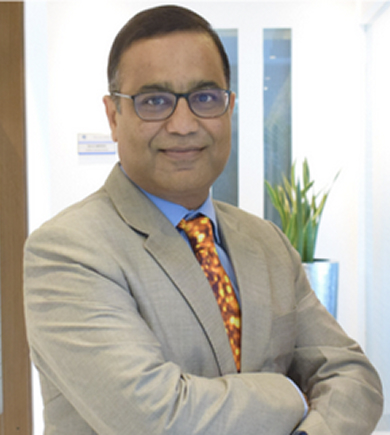
With over 25 years in Dubai and nearly 30 years as a Chartered and Management Accountant, Hemant has extensive experience across manufacturing, services and technology sectors. He has worked with major corporate groups including Al Tayer, Saif Al Ghurair, Dhabi, and Aditya Birla. Hemant specializes in profitability and cost management, debt restructuring, contract management, and regulatory compliance, having generated approximately USD 47.5 million in savings and profit growth. A confident public speaker and Distinguished Communicator, he lives by the quote: “You get what you reward for. If you want ants to come, you put sugar on the floor” (Charlie Munger), embodying his belief that “Profit has its own intelligence.”
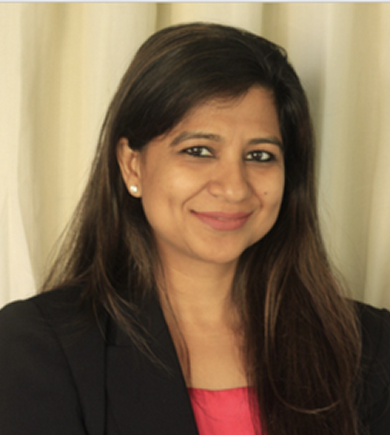
Archana Mundhra is a qualified Chartered Accountant with over 15 years of experience in multinational corporations. Her proficiency lies in financial planning and business intelligence. Her deep financial understanding and profound analytical skills empower her to assist management in realizing their objectives effectively.

Rinkle Jain is a qualified Chartered Accountant and Fellow Member of the Institute of Chartered Accountant of India. A results-driven Chartered Accountant with a distinguished career marked by proficiency in management, financial planning, and catalyzing overall company development.Demonstrates a unique blend of financial acumen, strategic insight, and leadership prowess, contributing significantly to organizational success.
test