2026-03-20

Good Corporate Governance: Principles That Protect Companies from Failure
2026-02-21

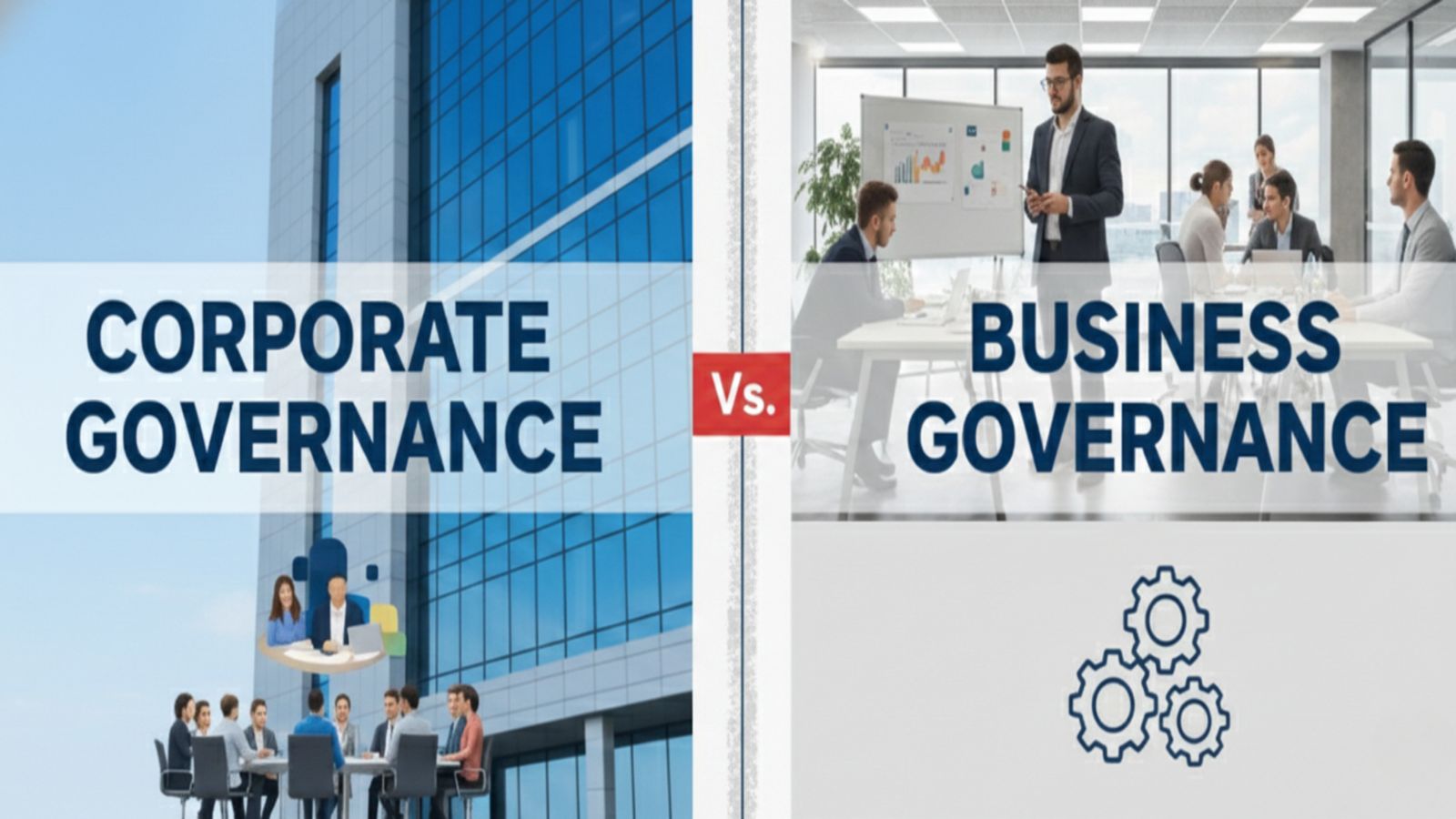
Good corporate governance is not about paperwork, compliance checklists, or endless boardroom meetings. At its core, it defines how a company is directed, controlled, and held accountable. When governance is strong, organizations become more resilient, trustworthy, and sustainable.
Effective corporate governance establishes clear policies, defined responsibilities, and structured oversight mechanisms that promote responsible decision-making and risk management. It builds stakeholder confidence while protecting the organization from operational, financial, and reputational failures.
Several foundational principles support governance frameworks and safeguard organizations from instability and long-term decline.
Transparency means being honest and open about how the company is performing, what risks it faces, and how decisions are made. Organizations must make material disclosures concerning their performance, their risk profile, their governance structure, and their major business activities.
Transparency also provides an opportunity for stakeholders to make informed decisions, while allowing senior management to remediate issues before they become systemic.
The benefits of transparency in maintaining organizational stability include:
Transparency ensures visibility into performance and risk. However, openness alone does not guarantee responsible action. Organizations must also establish clear accountability to ensure that decisions are owned and evaluated.
Accountability ensures that roles, responsibilities, and decision-making authority are clearly defined across the organization. The board of directors must be accountable to shareholders, executive leadership to the board, and operational teams to management. Without defined accountability, unethical practices can persist without challenge.
Impact of accountability on organizational stability:
While accountability defines who is responsible, governance also requires independent oversight to ensure objectivity. This is where board independence becomes essential.
An effective board of directors plays a critical role in providing strategic direction and independent oversight. Board independence ensures that leadership decisions are subject to constructive challenge, reducing the likelihood of conflicts of interest and strategic blind spots.
Impact of effective board governance on organizational stability:
Oversight structures provide strategic control, yet governance cannot rely on structure alone. Sustainable governance depends on a deeply embedded ethical culture across the organization.
Corporate governance frameworks must be supported by a strong ethical culture. Formal policies and codes of conduct are insufficient without leadership commitment to ethical behavior and compliance with legal and regulatory standards.
Organizations with clearly articulated values and ethical leadership foster a culture of integrity, accountability, and responsible conduct across all levels of the enterprise.
Impact of ethical culture on organizational stability:
Ethical leadership strengthens internal integrity, but responsible governance must also extend beyond the organization. Long-term stability depends on meaningful stakeholder engagement.
Effective governance recognizes that sustainable performance depends on balancing the interests of shareholders with those of employees, customers, suppliers, regulators, and the wider community.
Short-term financial gain decisions made at the expense of stakeholder trust can put the organization at risk for long-term strategic and reputational harm. The impact of stakeholder-centered governance will:
Balancing stakeholder interests builds resilience, yet organizations must also anticipate uncertainty. Effective risk management ensures that governance frameworks remain strong even during disruption.
Robust governance frameworks should have strong internal control mechanisms with enterprise risk management that anticipates, assesses, and mitigates all types of risks throughout the organization, including financial, operational, technological and reputational.
A structured, proactive risk management approach gives leadership the tools to anticipate possible disruptions and respond to and contain crises to minimize the impact of both operational and financial damages.
The impact of risk management on organizational stability includes:
Strong governance frameworks require more than policy documentation — they demand strategic implementation, regulatory alignment, and continuous oversight. As regulatory expectations evolve across the UAE, organizations must ensure that their governance structures meet both international best practices and local compliance requirements.
The Total CFO provides specialized corporate governance advisory UAE services designed to strengthen board effectiveness, enhance internal controls, and establish robust risk management frameworks. From designing governance policies and defining accountability structures to implementing enterprise risk management systems, our advisory approach helps organizations build sustainable, transparent, and compliant operations.
Good governance is not merely regulatory; it is strategic, and organizations with strong governance frameworks will be better equipped to withstand economic volatility, regulatory scrutiny, and reputational issues. Organizations can significantly limit the likelihood of failure and provide long-lasting sustainable value by integrating transparency, accountability, independent oversight, ethical leadership, and stakeholder engagement into the corporate operations and by utilizing strong and effective risk management systems.
Corporate governance refers to the system of rules, practices, and processes by which a company is directed and controlled. It ensures accountability, transparency, and ethical decision-making. Strong governance protects organizations from financial, operational, and reputational failures while building stakeholder confidence and long-term sustainability.
Transparency ensures accurate and timely disclosure of financial performance, risks, governance structures, and business activities. It enhances investor trust, enables early risk detection, improves regulatory compliance, and strengthens overall corporate credibility.
Accountability defines clear roles and responsibilities within the organization. It ensures that the board is accountable to shareholders, management is accountable to the board, and operational teams are accountable to leadership. This structure prevents misuse of authority, strengthens ethical conduct, and promotes responsible decision-making.
An independent board provides objective oversight and strategic direction. It reduces conflicts of interest, challenges executive decisions constructively, improves strategic quality, and ensures alignment between corporate goals and stakeholder interests.
Risk management helps organizations identify, assess, and mitigate financial, operational, technological, and reputational risks. Strong internal controls and enterprise risk management systems enable businesses to anticipate disruptions, respond effectively to crises, and reduce compliance failures.
The Total CFO offers specialized corporate governance advisory UAE services to help organizations design governance frameworks, enhance board effectiveness, strengthen internal controls, and implement enterprise risk management systems. Their advisory approach ensures regulatory compliance, transparency, and sustainable corporate operations aligned with UAE requirements.
With over 25 years in Dubai and nearly 30 years as a Chartered and Management Accountant, Hemant has extensive experience across manufacturing, services and technology sectors. He has worked with major corporate groups including Al Tayer, Saif Al Ghurair, Dhabi, and Aditya Birla. Hemant specializes in profitability and cost management, debt restructuring, contract management, and regulatory compliance, having generated approximately USD 47.5 million in savings and profit growth. A confident public speaker and Distinguished Communicator, he lives by the quote: “You get what you reward for. If you want ants to come, you put sugar on the floor” (Charlie Munger), embodying his belief that “Profit has its own intelligence.”

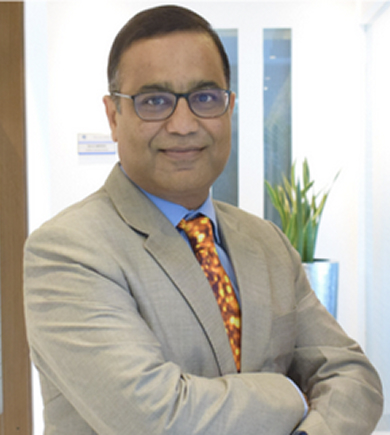
With over 25 years in Dubai and nearly 30 years as a Chartered and Management Accountant, Hemant has extensive experience across manufacturing, services and technology sectors. He has worked with major corporate groups including Al Tayer, Saif Al Ghurair, Dhabi, and Aditya Birla. Hemant specializes in profitability and cost management, debt restructuring, contract management, and regulatory compliance, having generated approximately USD 47.5 million in savings and profit growth. A confident public speaker and Distinguished Communicator, he lives by the quote: “You get what you reward for. If you want ants to come, you put sugar on the floor” (Charlie Munger), embodying his belief that “Profit has its own intelligence.”
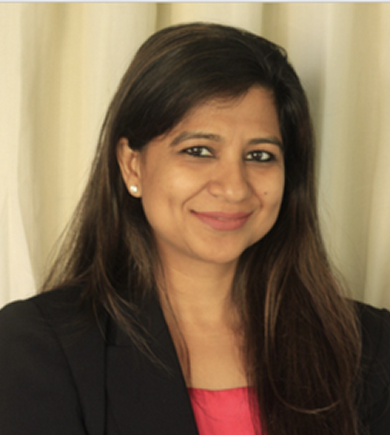
Archana Mundhra is a qualified Chartered Accountant with over 15 years of experience in multinational corporations. Her proficiency lies in financial planning and business intelligence. Her deep financial understanding and profound analytical skills empower her to assist management in realizing their objectives effectively.
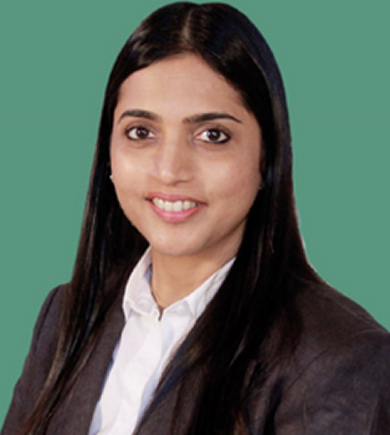
Rinkle Jain is a qualified Chartered Accountant and Fellow Member of the Institute of Chartered Accountant of India. A results-driven Chartered Accountant with a distinguished career marked by proficiency in management, financial planning, and catalyzing overall company development.Demonstrates a unique blend of financial acumen, strategic insight, and leadership prowess, contributing significantly to organizational success.
test