
2026-03-20

What Is CPA? A Complete Guide to Certified Public Accountant
2026-01-27
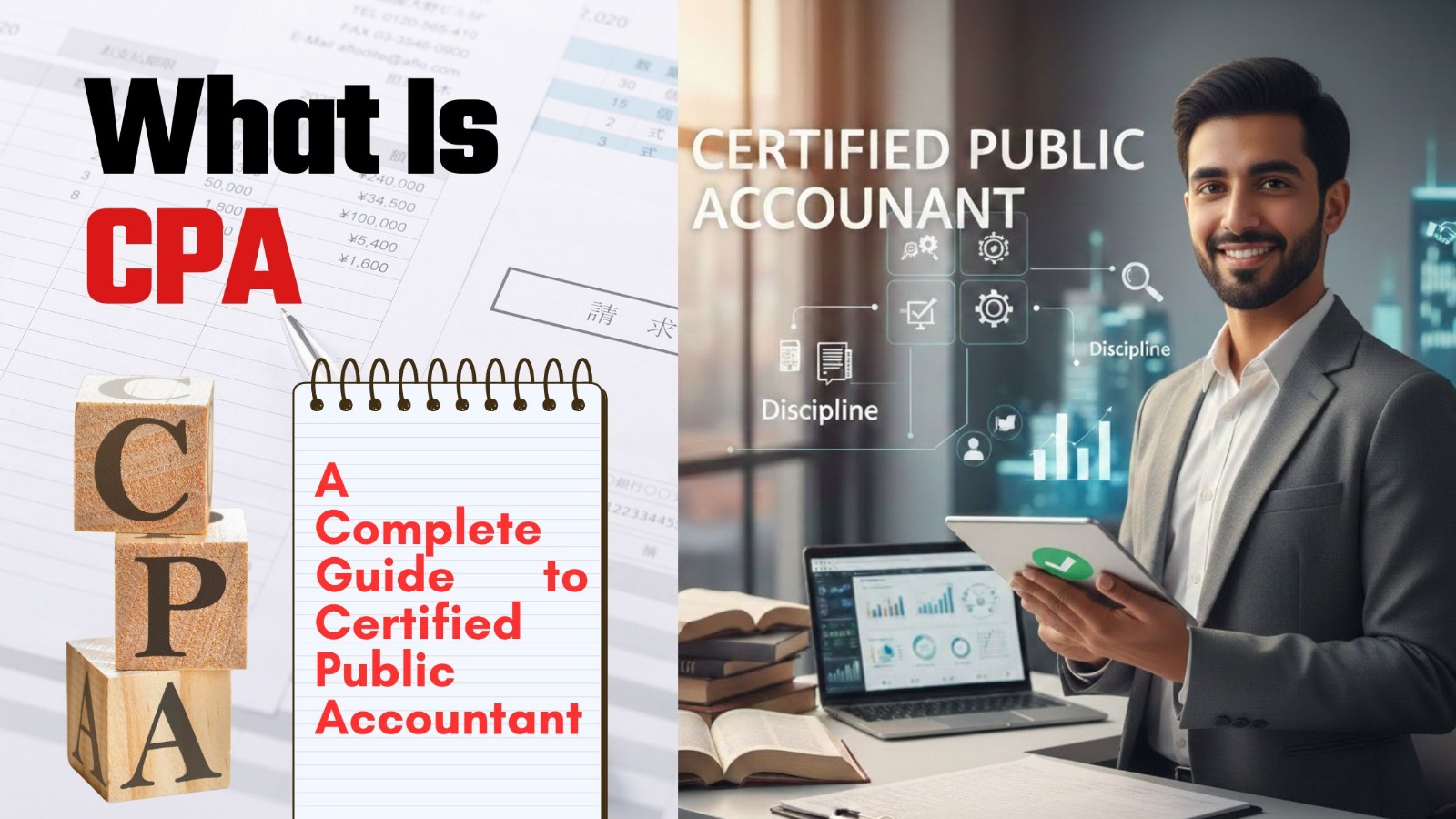
CPAs are Certified Public Accountants who have met the necessary educational criteria, passed their examination, completed the appropriate work experience and have adhered to the ethical and licensing criteria of the jurisdiction they serve.
The CPA credential also designates the CPA as a trusted financial expert on behalf of a client; the CPA has a professional obligation to represent their client honestly and upfront.
State boards of accountancy issue the CPA license. Each U.S. state has established its own licensing criteria, including educational and exam relevance. State boards are empowered by law to award the CPA designation, which grants CPA’s an exclusive authority to offer statutory auditing, tax return preparation and representation before the Internal Revenue Service (IRS).
As a result of these statutory authorities granted to CPA’s, they are commonly found in public accounting firms and corporate finance departments as well as within the tax and audit practices of firms. The majority of CPAs also hold either an Accounting degree or MBA.
CPAs play a critical role in delivering professional accounting services in Dubai, helping businesses maintain compliance, transparency, and financial accuracy across regulatory frameworks.
Ultimately, the career potential for CPA’s is almost limitless!
CPAs serve a variety of industries and sectors. Their range of services includes the following:
Obtaining your CPA designation offers many benefits to individuals:
In order to be eligible for the CPA license, a person must meet specific requirements established by the state in which the applicant resides. Generally, these requirements include:
The CPA Exam is conducted by the American Institute of Certified Public Accountants (AICPA) and consists of four sections:
Each section is four hours long and scored on a scale of 0–99, with 75 as the passing score.
However, with structured preparation and consistent study, it is highly achievable.
A CPA’s salary will vary by location, professional experience, or specific industry.
Public Accountant, Audit Manager, Tax Consultant, Financial Controller, Chief Financial Officer (CFO), Risk & Compliance, and Tax/Advisory Manager.
1. Select a State Board of Accountancy in the US
2. Complete Required Educational Qualifications
3. Apply for a Credential Evaluation (if you are an international student)
4. Register and Successfully Pass All Parts of the CPA Exam.
5. Complete the Required Work Experience
6. Acquire your CPA licence
Absolutely! CPA is a long-term career investment. It provides you with professional credentials, opportunities for advancement, and financial security as a leader. The CPA designation is most valuable to a professional looking to gain international experience or who wants to focus or specialize in tax or audit services.
Earning your CPA credentials is more than just an accounting credential; it is also a professional license that represents your level of professional knowledge, skill, and integrity. Earning a CPA credential is one of the most powerful steps to a successful career in finance, accounting, or advisory services.
A CPA is a Certified Public Accountant who has met specific educational requirements, passed the CPA examination, completed relevant work experience, and complied with ethical and licensing standards set by U.S. state boards of accountancy. CPAs are trusted financial professionals authorized to provide audit, tax, and advisory services.
A CPA license grants statutory authority to perform audits, prepare tax returns, and represent clients before the Internal Revenue Service (IRS). The license is issued by individual U.S. state boards, each with its own education, exam, and experience requirements.
CPAs provide a wide range of services, including auditing and assurance, taxation, financial accounting and reporting, advisory and consulting, and forensic accounting. They serve clients across industries such as public practice, corporate finance, government, and advisory firms.
To become a CPA, candidates generally need 150 credit hours of education, a bachelor’s degree in accounting or finance, successful completion of all four CPA exam sections, 1–2 years of supervised work experience under a licensed CPA, and completion of an ethics exam where required.
The CPA exam is considered challenging due to its extensive syllabus, application-based questions, and high professional standards. Candidates must pass all four sections within an 18-month rolling window; however, with structured preparation and consistent study, it is achievable.
Yes, the CPA designation is a valuable long-term career investment. It offers global recognition, strong earning potential, job stability, legal authority in audit and tax matters, and diverse career opportunities across accounting, finance, taxation, and advisory roles.
With over 18 years of experience across MIS, management control, and senior finance roles, Archana Mundhra has strengthened financial systems for companies in manufacturing, trading, services, and technology. As CFO Partner at The Total CFO Management Consultancy and Director at A2R Info Solutions Pvt. Ltd., she specialises in reporting frameworks, budgeting, process optimisation, and operational discipline. She believes finance is about understanding the story behind the numbers and using it to drive better decisions.


With over 25 years in Dubai and nearly 30 years as a Chartered and Management Accountant, Hemant has extensive experience across manufacturing, services and technology sectors. He has worked with major corporate groups including Al Tayer, Saif Al Ghurair, Dhabi, and Aditya Birla. Hemant specializes in profitability and cost management, debt restructuring, contract management, and regulatory compliance, having generated approximately USD 47.5 million in savings and profit growth. A confident public speaker and Distinguished Communicator, he lives by the quote: “You get what you reward for. If you want ants to come, you put sugar on the floor” (Charlie Munger), embodying his belief that “Profit has its own intelligence.”

Archana Mundhra is a qualified Chartered Accountant with over 15 years of experience in multinational corporations. Her proficiency lies in financial planning and business intelligence. Her deep financial understanding and profound analytical skills empower her to assist management in realizing their objectives effectively.

Rinkle Jain is a qualified Chartered Accountant and Fellow Member of the Institute of Chartered Accountant of India. A results-driven Chartered Accountant with a distinguished career marked by proficiency in management, financial planning, and catalyzing overall company development.Demonstrates a unique blend of financial acumen, strategic insight, and leadership prowess, contributing significantly to organizational success.
test