
The UAE’s Federal Decree-Law No. (20) of 2025, amending the Commercial Companies Law (FDL 32 of 2021), is not a cosmetic update. It is a structural shift that materially changes how international investors, MNCs, family groups, and PE/VC funds can design, move, and protect capital within and through the UAE.
From the lens of international taxation, cross-border transactions, and company restructuring, three developments stand out.
Drag-along and tag-along provisions—long standard in DIFC/ADGM and common-law jurisdictions—now have explicit statutory recognition for mainland companies.
Why this matters cross-border:
This brings the mainland UAE closer to the governance expectations of global funds.
The law formally allows multiple classes of shares with differentiated voting, dividend, redemption, and liquidation rights (subject to registration and disclosure).
As these structures are implemented, alignment with the UAE Corporate Tax regime becomes critical, and many groups engage experienced corporate tax consultants Dubai to ensure capital rights, control, and economic ownership are structured in a tax-efficient and compliant manner.
Implications:
This is particularly relevant when aligning tax residency, substance, and control across jurisdictions.
The new framework allows companies to move between emirates or between free zone and the mainland while preserving legal personality, subject to approvals.
Why this is strategically important:
For cross-border groups, this materially reduces friction in regional HQ planning.
While sector-specific rules will follow, the formal recognition of a non-profit company form opens new structuring options for foundations, family offices, ESG-linked vehicles, and philanthropic arms without relying solely on trust or foundation regimes.
This amendment does not replace free-zone or financial-free-zone laws. Instead, it bridges them. The UAE is converging its onshore regime with global corporate and common-law standards—while retaining regulatory sovereignty.
For practitioners working on:
This law changes both what is possible and what is optimal.
The direction is clear: fewer artificial layers, more substance-driven structures, and higher predictability for international capital.
The UAE is no longer just competitive on tax—it is becoming competitive on legal architecture.

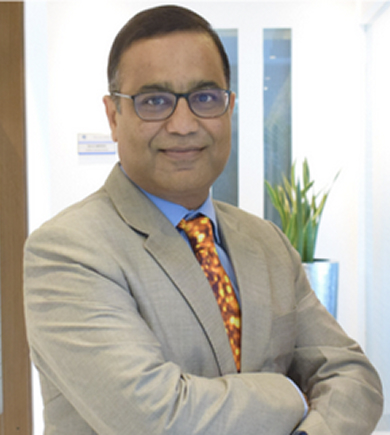
With over 25 years in Dubai and nearly 30 years as a Chartered and Management Accountant, Hemant has extensive experience across manufacturing, services and technology sectors. He has worked with major corporate groups including Al Tayer, Saif Al Ghurair, Dhabi, and Aditya Birla. Hemant specializes in profitability and cost management, debt restructuring, contract management, and regulatory compliance, having generated approximately USD 47.5 million in savings and profit growth. A confident public speaker and Distinguished Communicator, he lives by the quote: “You get what you reward for. If you want ants to come, you put sugar on the floor” (Charlie Munger), embodying his belief that “Profit has its own intelligence.”

Archana Mundhra is a qualified Chartered Accountant with over 15 years of experience in multinational corporations. Her proficiency lies in financial planning and business intelligence. Her deep financial understanding and profound analytical skills empower her to assist management in realizing their objectives effectively.

Rinkle Jain is a qualified Chartered Accountant and Fellow Member of the Institute of Chartered Accountant of India. A results-driven Chartered Accountant with a distinguished career marked by proficiency in management, financial planning, and catalyzing overall company development.Demonstrates a unique blend of financial acumen, strategic insight, and leadership prowess, contributing significantly to organizational success.
test