

VAT was introduced in the UAE on 1 January 2018 at 5%, has strengthened the federal budget and boosted national fiscal resources. It provides a steady revenue stream that supports public services, aids economic diversification, and reduces reliance on oil-based income for national growth.
As VAT compliance and structuring requirements continue to evolve, many businesses rely on professional VAT advisory Dubai services to assess registration thresholds, manage compliance obligations, and minimise VAT-related risks.
A business must register for VAT if its taxable supplies and imports exceed AED 375,000. It can also register voluntarily if its supplies or imports exceed AED 187,500, or if its expenses cross the same threshold. This allows start-ups with little or no turnover to register for VAT as well.
Once a business exceeds the VAT threshold for registration, it will need to register and begin charging VAT on the goods/services it provides to customers. The registration threshold varies between countries, but generally ranges between £1,000 and £10,000 in annual taxable turnover.
Obligations of VAT-Registered Businesses
A business could voluntarily choose to register for VAT, even if it has not exceeded the threshold for registration. Voluntary registration will provide various strategic and financial benefits to a business.
Request A VAT Review
In addition to having the ability to charge VAT, registered businesses also have a tax deduction on VAT charged to them from other registered businesses.
Will I Be Charged Additional Fees If I Do Not Register For VAT?
Yes, there will be added costs associated with not being registered for VAT if your taxable turnover exceeds the statutory threshold for registration.
Businesses are not required to register for VAT if:
Businesses can benefit from Voluntary Registration Services by gaining the ability to claim input VAT, enhancing their vendor credibility and building a compliant image for their business.
At our accounting firm in Dubai, we assist businesses with every step of the VAT registration process. This includes:
Businesses need to comply with VAT regulations by filing their returns, maintaining records and submitting them within the time limits imposed by the government, to avoid incurring penalties.
We offer VAT compliance support services & accounting services in Dubai to help businesses stay in-adherence and avoid fines associated with non-compliance. These services include:
Strategic VAT Planning helps businesses optimise their cash flow while remaining compliant and minimising unnecessary taxation. We provide advice on the following:
VAT Rates (Additionally)
Different VAT Rates Apply to Different Things and Services: Understanding VAT Laws for the Accuracy of Invoicing & Compliance.
Typical VAT Rate Categories Include:
Maintaining organised document retention is important for a business’ accurate filing and defence against audit. Types of documents businesses should Maintain Include:
Businesses may also be eligible for VAT refunds; When a business has input VAT greater than output VAT at a particular time. Examples of Effected Refund Scenarios Include:
Government entities generally fall under VAT to ensure they do not gain an unfair advantage over private businesses. However, supplies they provide may be excluded from VAT if they are not competing with the private sector or if the government is the sole provider. Some government entities can also claim VAT refunds to prevent budgeting issues and ensure fair treatment between outsourced and internal operations.
For supplies made to government entities, VAT treatment depends on the nature of the supply itself; not on who receives it. If a supply is normally taxed at the standard rate, it remains taxable even when provided to a government entity.
Whether you are a new business, growing enterprise, or an established organisation, our VAT experts help you maintain alignment and unlock tax efficiencies.

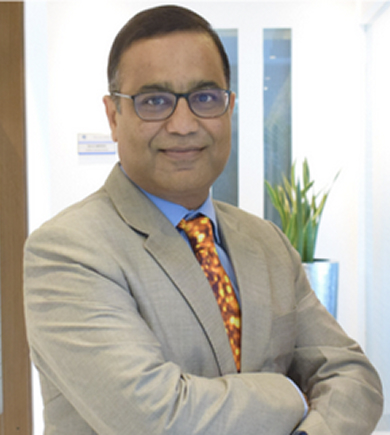
With over 25 years in Dubai and nearly 30 years as a Chartered and Management Accountant, Hemant has extensive experience across manufacturing, services and technology sectors. He has worked with major corporate groups including Al Tayer, Saif Al Ghurair, Dhabi, and Aditya Birla. Hemant specializes in profitability and cost management, debt restructuring, contract management, and regulatory compliance, having generated approximately USD 47.5 million in savings and profit growth. A confident public speaker and Distinguished Communicator, he lives by the quote: “You get what you reward for. If you want ants to come, you put sugar on the floor” (Charlie Munger), embodying his belief that “Profit has its own intelligence.”
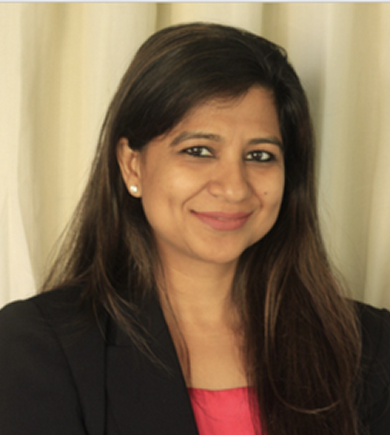
Archana Mundhra is a qualified Chartered Accountant with over 15 years of experience in multinational corporations. Her proficiency lies in financial planning and business intelligence. Her deep financial understanding and profound analytical skills empower her to assist management in realizing their objectives effectively.

Rinkle Jain is a qualified Chartered Accountant and Fellow Member of the Institute of Chartered Accountant of India. A results-driven Chartered Accountant with a distinguished career marked by proficiency in management, financial planning, and catalyzing overall company development.Demonstrates a unique blend of financial acumen, strategic insight, and leadership prowess, contributing significantly to organizational success.
test